
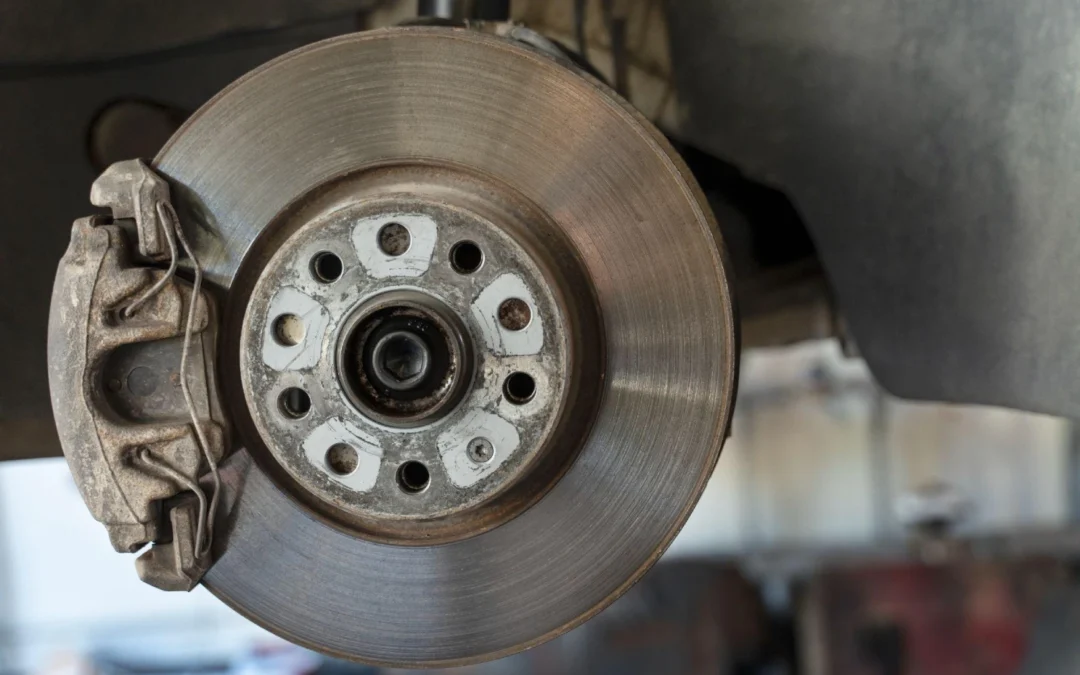
Most drivers in Ventura only think about their brakes when they start squeaking or the pedal feels “off.” By that point, your brake pads are already near the end of their life.
If you’re wondering how long brake pads actually last and whether yours are still safe, here’s a clear, no-nonsense guide based on how cars are really driven on Ventura’s streets and freeways.
Typical Brake Pad Lifespan: A Realistic Range
Most passenger vehicle brake pads last somewhere between 30,000 and 70,000 miles.
That’s a wide range because brake pad life isn’t just about mileage. How you drive, where you drive, and what you drive all make a big difference.
A few real-world examples:
- A commuter who drives daily from Ventura to Santa Barbara on the 101 with smooth braking may see pads last 60,000+ miles.
- A driver who lives near the hills, does a lot of stop‑and‑go city driving, or rides the brakes downhill may wear out pads in 25,000–35,000 miles.
- A work van or SUV loaded with gear will usually need brakes more often than a small sedan.
Mileage gives you a rough idea, but it’s not the full story. These 8 factors decide how long your brake pads actually last.
1. Your Driving Style
Nothing affects brake pad life more than the way you use the pedal.
Habits that wear pads out faster:
- Hard, late braking at lights and stop signs
- Riding the brakes downhill instead of using lower gears
- Tailgating, then braking sharply
- Frequent panic stops
Habits that help pads last longer:
- Looking ahead and coasting early
- Keeping a safe following distance
- Using engine braking (downshifting an automatic or manual on long downhill grades)
- Avoiding unnecessary braking in slow traffic
If your daily drive in Ventura includes Main Street traffic, school zones, and stop‑and‑go by the mall, smooth, early braking can easily buy you tens of thousands of extra miles on a set of pads.
2. Where You Drive
Your environment plays a big role in brake life:
- City vs. Highway
More time spent in downtown Ventura, Oxnard, or Camarillo traffic lights = more brake use. Highway cruises on the 101 or 126 are much easier on pads. - Hills and Grades
Driving in the foothills or up and down local canyons? The extra downhill braking builds heat, which accelerates wear. - Heat and Coastal Conditions
Ventura’s coastal climate is milder than inland deserts, but heat on long summer drives still matters. Hot brakes wear faster, and salty air can add corrosion that affects brake hardware over time.
If your brake pads are already thin, the extra stress from local driving – especially with hills or heavy traffic – can push them from “almost due” to “unsafe” much quicker than you expect.
3. Type and Quality of Brake Pads
Not all brake pads are created equal. The material matters:
- Organic (Non‑Asbestos Organic / NAO)
- Softer, quieter, gentle on rotors
- Wear out faster
- Common on smaller, lighter cars
- Semi‑Metallic
- More durable and better for high temperatures
- Can be slightly noisier and harsher on rotors
- Common on performance and heavier vehicles
- Ceramic
- Long‑lasting, low dust, usually quieter
- Often more expensive
- Great for drivers who want clean wheels and consistent performance
The “cheap” pads from a bargain shop may cost less upfront, but they often wear out faster, create more dust, and can cause rotor problems. Quality pads with correct installation from one of the best auto repair Ventura shops typically last longer, stop better, and save money in the long run.
4. Vehicle Type, Weight, and Use
The heavier the vehicle, the harder the brakes work.
Vehicles that usually wear pads faster:
- Full‑size SUVs and trucks
- Work vans or vehicles carrying tools/equipment
- Vehicles used for towing
Lighter, compact cars with mostly solo commuting often see longer brake life.
Think of it this way: every time you slow 4,500–6,000 pounds of truck versus 3,000 pounds of sedan, the brakes on that truck are doing more work.
If your vehicle is also out of alignment or has suspension issues, that adds load on certain wheels and can cause uneven brake wear. If you notice the car pulling or vibrating while braking, getting professional vehicle alignment services in Ventura and checking for common car suspension problems at the same time is smart.
5. Condition of Rotors, Calipers, and Hardware
Brake pads don’t work alone. They rely on the rest of the brake system:
- Warped or grooved rotors can chew through new pads.
- Sticking calipers cause a pad to drag against the rotor even when you’re not braking.
- Rusty or dirty slide pins and hardware can cause uneven pad wear.
This is why a proper brake job isn’t just “throwing pads on.” A trusted shop will:
- Measure rotor thickness and runout
- Resurface or replace rotors when needed
- Clean and lubricate caliper slide pins and contact points
- Check the brake fluid condition
If you only replace pads without addressing the rest of the system, don’t expect them to last as long as they should.
When you come in for auto repair services in Ventura, CA, ask specifically what’s included in a brake service. A thorough job pays off in both safety and longevity.
6. Wheel Alignment and Suspension Health
It surprises a lot of drivers, but your suspension and alignment have a direct impact on how your brakes wear.
Issues like:
- Misaligned wheels
- Worn ball joints, control arm bushings, or tie rods
- Sagging or uneven springs
- Blown shocks/struts
can cause:
- Uneven tire contact with the road
- The car pulling to one side under braking
- One or two wheels doing more brake work than the others
The result: one set of pads may wear out far sooner than the rest.
If you’ve noticed pulling, wandering, or uneven tire wear, schedule wheel alignment services and have your suspension inspected. Shops like Advanced Auto Care, which know how to diagnose and fix common car suspension problems, can catch issues before they destroy your new pads.
7. Maintenance Habits and Service Intervals
Brake pads last longer and work better when they’re inspected and serviced regularly.
Smart habits include:
- Having brakes inspected with every auto maintenance & oil change Ventura, CA appointment
- Asking for pad thickness measurements, not just “they’re fine.”
- Flushing brake fluid when recommended by the manufacturer or your technician
- Addressing small noises early, before they become metal‑on‑metal grinding
Tying brake checks into your regular best auto maintenance service in Ventura visit keeps everything on a predictable schedule instead of waiting for a dangerous symptom to show up.
8. How Long It’s Been, Not Just Miles
Brake pads can age even when the car isn’t driven much.
Low‑mileage vehicles in Ventura that sit for long periods can still develop:
- Surface rust on rotors that eats pads
- Sticking calipers from lack of use
- Hardened, glazed pad surfaces
If you:
- Work from home
- Drive very short trips
- Own a “weekend” car or older vehicle
You may need brakes based on time, not just mileage. A general rule of thumb: if it’s been 5–7 years on the same pads, have them inspected thoroughly, even if the mileage seems low.
Warning Signs Your Brake Pads Are Near the End
Regardless of mileage, pay attention to these signs:
- Squealing or chirping when braking (many pads have wear indicators that make this sound on purpose)
- Grinding noise – often metal on metal, usually means pads are gone, and rotors are being damaged
- Longer stopping distances
- Brake pedal feels soft, spongy, or sinks lower than usual
- Steering wheel shakes when you brake at highway speeds
- The car pulls to one side when braking
- Brake warning light on the dash
If you notice any of these, don’t wait. Brakes are not something to “see how long it lasts.” Have a qualified technician at the best auto repair Ventura shop look at them right away.
How Often Should You Have Your Brakes Checked?
A practical schedule for most Ventura drivers:
- At least once a year, or
- Every oil change if you drive a lot (6,000–7,500 miles), or
- Any time you notice a new noise, vibration, or change in pedal feel
Many drivers already visit a shop regularly, so simply asking for a brake check during those visits is the easiest way to stay ahead of problems.
How Brake Pad Health Affects Safety, Smog, and Costs
Most people think of brakes only in terms of stopping power, but worn or dragging brakes can also:
- Overheat and damage rotors, calipers, and wheel bearings
- Increase fuel consumption due to added rolling resistance
- Affect emissions by making the engine work harder
If your car is due for a smog check in Ventura, taking care of dragging or uneven brakes beforehand can help ensure the car is running efficiently. That’s especially true when you’re working through programs like the CAP program & assistance in Ventura or staying compliant with California requirements discussed in Smog Check Requirements in California: What You Need to Know.
Keeping the entire vehicle healthy.
FAQ: Brake Pad Life and Service in Ventura, CA
How many miles do brake pads usually last in Ventura driving conditions?
Most Ventura drivers see brake pad life between 30,000 and 60,000 miles, depending on driving style and vehicle type. Lots of city driving, hills, or heavy loads will shorten that range; mostly highway commuting can extend it.
Can I visually check my brake pads at home?
On many vehicles, you can look through the wheel spokes and see the pad material against the rotor. If the pad looks thinner than about 1/8 inch (3 mm), it’s time to have it inspected. However, some vehicles hide the pads more, so a professional inspection is more reliable.
Should rotors be replaced every time I change pads?
Not always, but they must be measured and inspected. If rotors are too thin, warped, deeply grooved, or heat‑cracked, they should be replaced. Reusing bad rotors will destroy new pads quickly and can cause vibrations. A reputable expert auto repair service in Ventura will give you clear measurements and explain the options.
Why do my brakes squeak even if the pads are new?
New pads can squeak if:
- The pad material is on the harder side
- Hardware wasn’t properly cleaned or lubricated
- There’s light surface rust on rotors from sitting overnight
- Cheap pads were used
A good shop will use quality pads, apply proper brake grease, and install new hardware where needed to minimize noise.
Is it dangerous to drive with worn brake pads?
Yes. Thin pads reduce stopping power, increase stopping distance, and can overheat quickly. Once you hear grinding, you’re very likely past the pad material and into metal‑on‑metal contact, which is unsafe and expensive, as it damages rotors and sometimes calipers.
Does wheel alignment really affect brake pad life?
It does. Misalignment can cause one side of the car to carry more load under braking, creating uneven pad wear and pulling. Getting vehicle alignment near you through helps your brakes, tires, and fuel economy all at once.
How do I know if my brake issue is related to suspension or alignment?
If you feel:
- The car pulling to one side while braking
- A shake or shimmy in the steering wheel when slowing down
- Uneven tire wear along with brake concerns
There may be suspension or alignment problems alongside brake wear. A shop that handles both suspension problems and brake service can inspect everything together instead of guessing.
Can I wait until my next smog check to fix my brakes?
You shouldn’t. Brakes are a safety‑critical system. If you have warning signs now, waiting months for a smog check in Ventura, CA, or routine service puts you at risk and usually leads to more expensive repairs.
Complete Brake Service and Inspections in Ventura
Brake problems rarely improve on their own. Regular inspections help catch worn pads, rotor issues, alignment concerns, and other brake system problems before they become expensive repairs or safety risks.
At Advanced Auto Care, our team provides:
- Complete brake inspections and repairs
- Brake pad and rotor replacement
- Vehicle alignment services
- Suspension diagnostics and repairs
- Routine maintenance and oil changes
Whether you’re hearing unusual noises, feeling vibrations, or simply want peace of mind, our technicians can help keep your vehicle operating safely and reliably.