
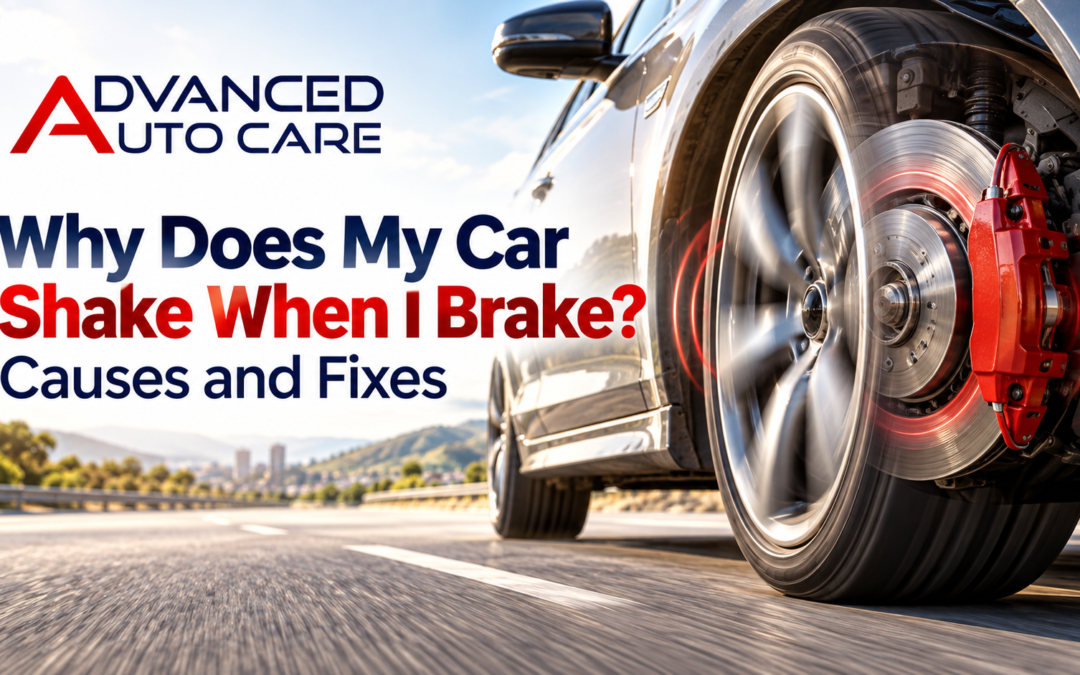
Feeling your car shake when you press the brake pedal can be unsettling, especially when you’re slowing down in traffic or approaching a stoplight. The vibration may be noticeable through the steering wheel, brake pedal, seat, or entire vehicle. While some causes are relatively minor, others can affect braking performance and vehicle safety.
Common reasons for this problem include uneven brake rotors, worn brake pads, damaged suspension components, and tire issues. Identifying the source early can help prevent additional wear and avoid more expensive repairs. Professional Brake service can help determine whether the problem comes from the braking system or another part of your vehicle.
Why Does My Car Shake When I Brake?
Your vehicle’s braking system uses friction to slow the wheels and bring the car to a stop. When you press the brake pedal, the brake pads clamp against the rotors, creating the friction needed to slow the wheels.
If the rotors are uneven, the pads wear unevenly, or suspension components are loose, braking forces can cause noticeable vibration. Tire damage, wheel problems, and a sticking brake caliper can also contribute to the issue.
The location and timing of the shaking may offer useful clues:
- Steering wheel vibration: May indicate uneven front brake rotors, worn steering components, or wheel-related problems.
- Brake pedal pulsation: Can occur when rotor surfaces or thickness vary, although some pulsation is normal during ABS activation in emergency braking.
- Shaking throughout the vehicle: May point to rear brake problems, suspension wear, or other wheel-related issues.
- Vibration at higher speeds that worsens during braking: Could indicate a combination of brake, tire, or suspension problems.
These symptoms can overlap, so they don’t confirm a specific fault on their own. A thorough inspection can help identify the actual cause and determine the appropriate repair.
Common Signs That Accompany Brake Shaking
Pay attention to other changes in your vehicle when braking. Additional symptoms can help you recognize a developing problem and explain it more accurately to a mechanic.
- Unusual noises: Squealing, grinding, or clicking may indicate worn brake pads, damaged components, or loose hardware.
- A soft or pulsating brake pedal: Changes in pedal feel may point to a braking system issue that needs attention.
- The vehicle pulling to one side: Uneven braking force, a sticking caliper, or suspension problems may cause the car to drift while slowing down.
- Longer stopping distances: Reduced braking performance can signal worn pads, contaminated components, or other mechanical faults.
- Burning smells or smoke: Excessive brake heat may result from a sticking caliper or components that remain in contact when they should release.
If the shaking is severe, the brakes feel less responsive, or you notice smoke or a strong burning smell, stop in a safe location and arrange professional assistance. Don’t ignore persistent vibration, even if the vehicle still appears to stop normally. Early diagnosis can help protect your braking system and keep your vehicle safe on Ventura roads.
Common Causes of Shaking When Braking
Several mechanical problems can cause a car to shake when you apply the brakes. Identifying the source is essential because the right fix depends on the condition of the braking system, tires, and suspension components.
1. Warped or Uneven Brake Rotors
Brake rotors are metal discs that rotate with the wheels. When you press the brake pedal, the brake pads clamp against these discs to slow the vehicle.
Over time, rotors can develop uneven thickness or surface variations due to heat, wear, and repeated braking. These irregularities can cause inconsistent contact between the pads and rotors, producing vibration when you slow down.
Common signs of rotor problems include:
- Steering wheel shaking during braking
- Pulsation through the brake pedal
- Vibration that becomes more noticeable at higher speeds
- Uneven rotor surfaces or visible damage
People often call this problem “warped rotors,” although uneven rotor thickness and friction deposits can also cause vibration. A mechanic can measure the rotors and determine if resurfacing is permitted or replacement is necessary. Timely brake service and replacement can help restore consistent braking when worn or damaged components are responsible.
2. Worn or Damaged Brake Pads
Brake pads gradually wear down as they create friction against the rotors. Excessive wear, uneven contact, glazing, or contamination can affect braking performance and sometimes contribute to vibration.
Worn pads may also produce squealing or grinding sounds. If the friction material becomes too thin, the metal backing plate can contact the rotor, potentially damaging it and reducing braking effectiveness.
Watch for these warning signs:
- Squealing or grinding when braking
- Uneven wear on the brake pads
- Reduced braking response
- Vibration accompanied by unusual noises
Inspect brake pads at the intervals recommended by your vehicle manufacturer, and replace them when they reach the specified wear limit. A mechanic should also inspect the rotors and related hardware to determine if additional repairs are needed.
3. Worn Suspension or Steering Components
Your suspension and steering systems help keep the tires in contact with the road and maintain vehicle stability. Components such as control arm bushings, ball joints, and tie rods can wear out over time.
When these parts develop excessive movement, the forces generated during braking may make the looseness more noticeable. You might feel shaking through the steering wheel or notice the vehicle pulling to one side as you slow down.
Other symptoms can include clunking sounds over bumps, uneven tire wear, or loose steering.
Replacing brake components alone may not resolve the problem if worn suspension or steering parts are responsible. A complete inspection helps identify the source of the vibration and determine the repairs needed to restore stable handling.
4. Tire Problems or Wheel Imbalance
Tires and wheels can also contribute to shaking during braking. Uneven tire wear, internal tire damage, bent wheels, or improper wheel balance can cause vibration at certain speeds.
Although wheel imbalance usually causes shaking while driving, braking can make an existing problem more noticeable. Damaged tires may also affect traction, making it harder to maintain control during sudden stops.
Look for signs such as:
- Uneven tread wear or visible tire damage
- Steering wheel vibration at highway speeds
- Bulges, cracks, or unusual wear patterns
- Shaking that occurs even when you’re not braking
Have damaged tires and wheels inspected promptly. If the vibration occurs mainly when braking, the braking system should also be checked rather than assuming the tires are the only cause.
5. A Sticking Brake Caliper
A brake caliper presses the pads against the rotor when you apply the brakes and allows them to release when you lift your foot from the pedal.
A sticking caliper may keep the pads in contact with the rotor longer than intended. This can create excessive heat, uneven pad wear, reduced fuel efficiency, and inconsistent braking. In some cases, the vehicle may pull to one side or shake while slowing down.
Warning signs include:
- A burning smell after driving
- The vehicle pulling to one side during braking
- Uneven brake pad wear
- Excessive heat near one wheel
- Reduced braking performance
A sticking caliper should be addressed promptly because continued driving can damage the rotor and other braking components. Depending on the findings, the repair may involve servicing the caliper or replacing damaged parts.
Remember: Similar symptoms can result from different mechanical issues. If your vehicle shakes when you brake, a professional inspection can help determine whether the cause is the rotors, pads, suspension, tires, or calipers before you perform unnecessary repairs.
How to Fix a Car That Shakes When Braking
The right fix depends on which component is causing the vibration. Replacing brake pads alone may not solve the problem if the rotors, calipers, tires, or suspension components are also worn or damaged.
A professional inspection can help identify the source and determine the appropriate Brake service needed to restore consistent stopping performance.
1. Inspect and Repair the Brake Rotors
If uneven rotor thickness, surface damage, or excessive wear causes the shaking, a mechanic will inspect and measure the rotors against the manufacturer’s specifications.
Depending on their condition, the rotors may be resurfaced if permitted and sufficient material remains. Otherwise, replacement may be necessary. New rotors should meet the vehicle’s specifications to support even braking and reliable performance.
2. Replace Worn Brake Pads
Worn, damaged, or contaminated brake pads may need replacement. A mechanic will also inspect the rotors, calipers, and associated hardware to check for uneven wear or related problems.
Replacing pads without addressing the underlying cause of uneven wear may allow the vibration to return. Proper brake service should account for the condition of the entire braking assembly, not just the visibly worn part.
3. Repair Suspension and Steering Components
If worn bushings, ball joints, tie rods, or other steering and suspension parts contribute to the shaking, the damaged components may need repair or replacement.
A mechanic can inspect these parts for excessive movement, wear, and damage. Wheel alignment may also be necessary after certain suspension repairs, depending on the components involved and the manufacturer’s recommendations.
4. Check Tires and Wheels
Damaged tires, bent wheels, and wheel imbalance can produce vibration that becomes more noticeable during braking.
The inspection may include checking tire condition, tread wear, wheel balance, and wheel hardware. Damaged tires or wheels should be repaired or replaced as appropriate. If the symptoms point to the braking system, that system should be examined separately.
5. Service a Faulty Brake Caliper
A sticking caliper may cause uneven braking pressure and excessive heat. Depending on the problem, the mechanic may service the caliper or replace it if it is damaged beyond repair.
The brake pads and rotor should also be inspected because prolonged caliper problems can damage these components. Correcting the underlying fault helps reduce uneven wear and restores proper brake operation.
Is It Safe to Drive When Your Car Shakes While Braking?
Driving with vibrating brakes can be risky because the cause may affect stopping distance, steering control, or the vehicle’s ability to brake consistently.
Mild vibration does not always mean the brakes are about to fail, but it should be checked promptly. Avoid assuming the vehicle is safe simply because it still stops.
Stop driving and arrange professional assistance if you notice:
- Severe shaking or a sudden change in braking behaviour
- Grinding noises accompanied by reduced braking performance
- A brake pedal that sinks unusually low or feels suddenly soft
- Smoke or a strong burning smell near a wheel
- A brake warning light that remains on, especially with other symptoms
- Significant pulling to one side when braking
If the brake pedal feels abnormal or the vehicle struggles to stop, pull over somewhere safe as soon as possible. Do not continue driving to test the brakes. Arrange towing or roadside assistance when necessary.
When Do You Need Brake Service and Replacement?
Not every braking vibration requires the replacement of every brake component. The right decision depends on the severity of the wear, the condition of related parts, and the manufacturer’s specifications.
Professional Brake service may involve inspecting pads and rotors, checking caliper operation, and examining related hardware. Some issues can be resolved through appropriate servicing, while worn or damaged components may need replacement.
Consider these general guidelines:
- Brake pads: Replace them when the friction material reaches the specified wear limit or becomes damaged or contaminated.
- Brake rotors: Replace them when they are below the minimum thickness, cracked, severely damaged, or otherwise outside acceptable specifications.
- Brake calipers: Repair or replace them if they stick, leak, or fail to operate correctly.
- Suspension and steering parts: Repair worn components when they contribute to vibration or unstable handling.
If both pads and rotors are worn or damaged, replacing them together may be appropriate. However, the decision should follow inspection findings and manufacturer guidance.
Drivers experiencing persistent vibration can seek brake service and replacement in Ventura to identify worn parts and determine which repairs are necessary. Prompt attention can help prevent additional damage and support reliable braking performance.
How to Prevent Your Car From Shaking When Braking
Regular maintenance can help identify brake wear and related mechanical problems before they affect stopping performance. While some components naturally wear down over time, a few practical habits can help keep your braking system in good condition.
- Schedule regular brake inspections: Have the pads, rotors, calipers, and related hardware checked according to your vehicle manufacturer’s maintenance recommendations.
- Replace worn brake pads promptly: Delaying replacement can damage the rotors and increase repair costs.
- Pay attention to unusual symptoms: Address squealing, grinding, steering wheel vibration, or changes in pedal feel as soon as possible.
- Maintain your tires: Check tire pressure, inspect tread wear, and address wheel balance problems when needed.
- Avoid excessive braking: Repeated hard braking can generate significant heat and accelerate component wear. Maintain a safe following distance to reduce unnecessary braking.
- Follow recommended maintenance schedules: Routine inspections can reveal developing issues with the braking, steering, and suspension systems.
Consistent maintenance cannot prevent every mechanical problem, but it can help you identify developing faults earlier and reduce the risk of unexpected repairs.
Get Professional Brake Service in Ventura, CA
A car that shakes when braking may have worn rotors, damaged brake pads, a sticking caliper, or a problem with the suspension or tires. Identifying the cause early can help protect your vehicle’s braking performance and prevent additional component damage.
Advanced Auto Care & Smog provides auto repair and maintenance services for drivers in Ventura, CA. If you’ve noticed persistent brake vibration, unusual noises, or changes in stopping performance, schedule an inspection to determine what your vehicle needs.
The team can help assess the problem and recommend appropriate repairs, including Brake service when your braking system needs attention.
Schedule an inspection and get your vehicle back to dependable braking performance.
Frequently Asked Questions
1. Why does my car shake only when I press the brakes?
Shaking that occurs mainly during braking may indicate uneven brake rotors, worn pads, a sticking caliper, or loose suspension components. A mechanic can inspect the braking system and related parts to identify the cause.
2. Can warped rotors cause the steering wheel to shake?
Yes. Uneven rotor thickness or surface variation can create changes in braking force that travel through the steering system. This is often noticeable as steering wheel vibration when slowing down, particularly at higher speeds.
3. Why does my brake pedal pulsate when stopping?
A pulsating brake pedal can result from uneven rotor surfaces or thickness variations. However, pulsation during hard braking may be normal when the anti-lock braking system (ABS) activates. Persistent pulsation during ordinary stops should be inspected.
4. Can bad tires cause shaking when braking?
Yes. Uneven tire wear, internal tire damage, bent wheels, or wheel imbalance can cause vibration. If the shaking occurs mainly when you apply the brakes, have both the tires and braking system checked.
5. Should I replace brake pads and rotors at the same time?
Not always. If the rotors remain within the manufacturer’s specifications and are in suitable condition, replacing the pads alone may be sufficient. Rotors that are excessively worn, cracked, or damaged may require replacement alongside the pads.
6. Is it safe to drive with shaking brakes?
Mild vibration may not indicate immediate brake failure, but it should be inspected promptly. Severe shaking, reduced braking power, a soft pedal, smoke, or a strong burning smell calls for stopping safely and arranging professional assistance.
7. How much does brake service and replacement cost?
The cost depends on the vehicle, the condition of its braking components, and the repairs required. Replacing brake pads generally costs less than replacing pads and rotors or repairing a faulty caliper. Request an inspection and estimate to understand the cost for your specific vehicle.
8. Why does my car shake when braking at high speeds?
Shaking during high-speed braking may indicate uneven brake rotors, worn suspension components, or tire and wheel problems. Because higher speeds increase braking demands, have the vehicle inspected promptly to identify the cause and prevent further damage.
9. Can low brake fluid cause my car to shake when braking?
Low brake fluid does not typically cause vibration on its own, but it may indicate a leak or worn brake components. If the brake pedal feels soft, braking performance changes, or the brake warning light appears, stop driving when safe and arrange a professional inspection.
10. How long does brake service and replacement take?
The time required depends on the vehicle and the repairs needed. Replacing brake pads may take a few hours, while replacing rotors, repairing calipers, or addressing suspension problems can take longer. An inspection can help determine the expected repair time.