
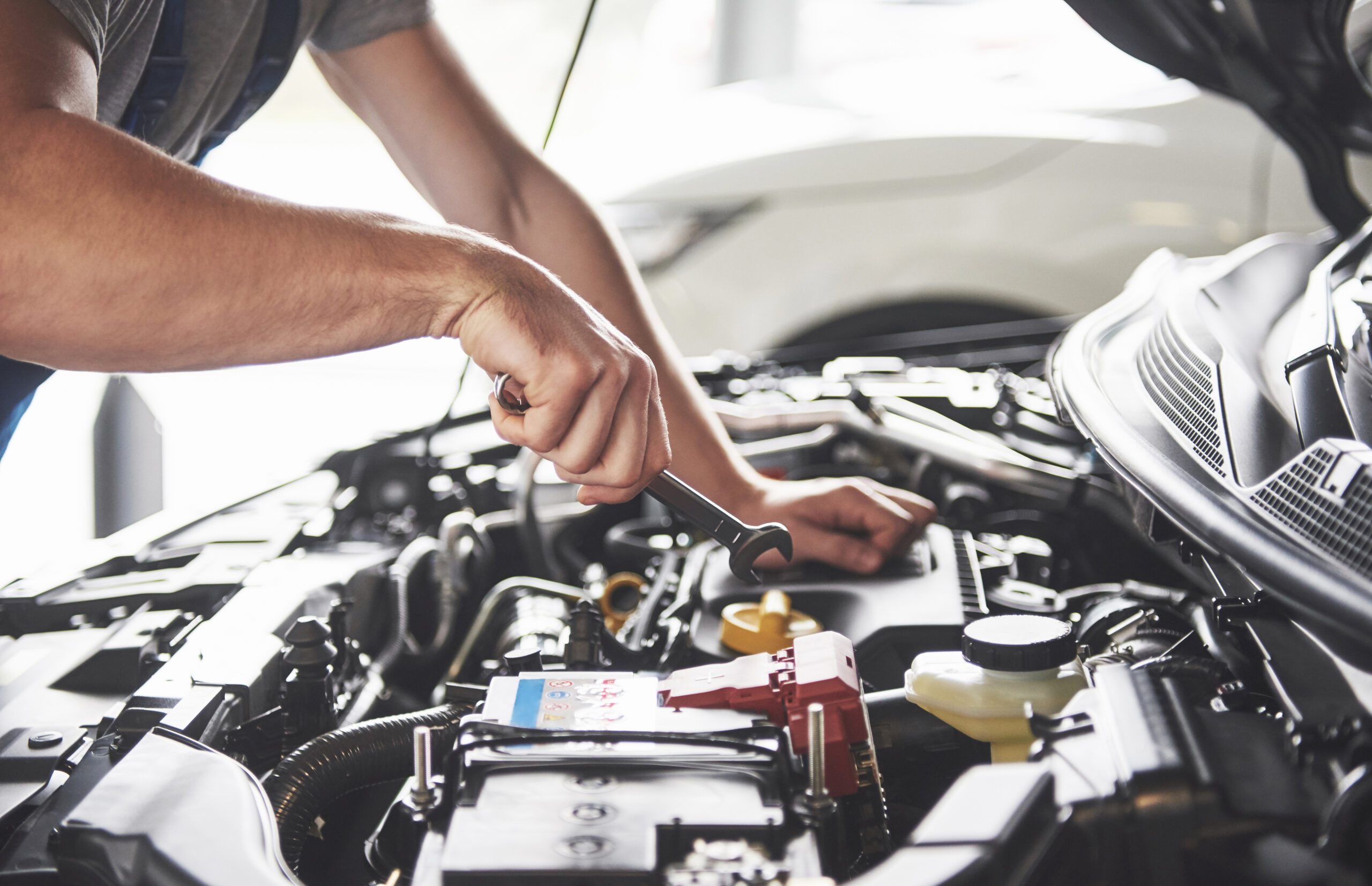
Did you know that approximately 210 million roadside assistance cases occur annually worldwide, many of them caused by preventable issues such as dead batteries, flat tires, overheating, and neglected maintenance. Staying on top of routine service is one of the easiest ways to reduce the risk of unexpected breakdowns and costly repairs. Following a vehicle maintenance checklist helps you catch small issues before they become major problems.
Every season places different demands on your vehicle, from summer heat to cooler temperatures and seasonal rain. This guide provides a complete vehicle maintenance checklist for every season, helping you protect your investment and keep your vehicle running safely and efficiently all year long.
Why Seasonal Vehicle Maintenance Matters
Routine maintenance isn’t just about checking items off a service list. It’s about preparing your vehicle for the conditions it will encounter throughout the year. Temperature changes, road debris, seasonal rain, and daily driving all place different demands on critical systems like your tires, brakes, battery, suspension, and cooling system.
Without regular inspections, small problems can gradually develop into expensive repairs. For example, a minor coolant leak that’s easy to fix today could eventually cause your engine to overheat. Likewise, worn tires or poor alignment may not seem urgent, but they can reduce traction, affect handling, and shorten tire life.
Following a seasonal vehicle maintenance checklist provides several long-term benefits:
- Helps identify problems before they become major repairs
- Improves vehicle safety and reliability
- Supports better fuel efficiency
- Extends the lifespan of tires, brakes, and other components
- Helps maintain your vehicle’s resale value
- Reduces the likelihood of unexpected breakdowns
Regular maintenance also gives technicians an opportunity to inspect systems you don’t see during everyday driving. During an auto maintenance appointment, they can identify worn belts, aging hoses, fluid leaks, battery concerns, or suspension wear before these issues affect your vehicle’s performance.
Each season requires a slightly different maintenance focus. Spring is an ideal time to inspect your vehicle after months of cooler temperatures and seasonal rain, while summer calls for additional attention to your cooling system and battery. Fall offers the perfect opportunity to prepare for changing weather, and winter maintenance helps ensure your vehicle remains dependable during colder mornings and wet road conditions.
By adjusting your maintenance routine throughout the year, you’ll spend less time dealing with unexpected repairs and more time enjoying dependable performance.
Spring Vehicle Maintenance Checklist
Spring is an excellent time to give your vehicle a thorough inspection. Rain, fluctuating temperatures, and everyday driving can leave behind wear that isn’t always visible. A spring vehicle maintenance checklist helps identify small issues early, preparing your vehicle for warmer weather and increased travel during the months ahead.
Inspect Tires After Winter Wear
Your tires are the only part of your vehicle that stays in constant contact with the road, making regular inspections essential for both safety and performance.
Start by checking:
- Tire pressure
- Tread depth
- Uneven wear patterns
- Sidewall damage
- Embedded nails or debris
Even though Ventura doesn’t experience harsh winters, cooler temperatures can still cause tire pressure to fluctuate. Driving with underinflated or unevenly worn tires reduces fuel efficiency, affects handling, and increases the risk of premature tire replacement.
If you notice your vehicle pulling to one side or your tires wearing unevenly, it may be time for a vehicle alignment inspection. You can also learn more by reading our article on signs your car needs a wheel alignment, which explains the early symptoms drivers shouldn’t ignore.
Similarly, worn suspension components can affect alignment and tire wear. Our guide on how to diagnose and fix common car suspension problems explains how these issues develop and why addressing them early can help prevent additional repairs.
Check Essential Fluids
Your vehicle relies on several fluids to keep critical systems operating efficiently. Spring is a great time to inspect fluid levels and replace any that have reached their recommended service interval.
Important fluids to check include:
- Engine oil
- Coolant
- Brake fluid
- Transmission fluid
- Power steering fluid (if applicable)
- Windshield washer fluid
Dirty or low fluids force components to work harder, increasing wear and reducing overall performance. For example, old engine oil loses its ability to lubricate moving parts effectively, while degraded coolant may struggle to regulate engine temperature during warmer weather.
Routine fluid inspections are one of the simplest forms of preventive vehicle maintenance, helping reduce the likelihood of unexpected mechanical problems while supporting long-term reliability.
Replace Wiper Blades and Inspect the Windshield
Spring showers can quickly expose worn windshield wipers. If your blades leave streaks, skip across the glass, or make excessive noise, it’s time to replace them.
While inspecting your wipers, also check the windshield for:
- Small chips
- Cracks
- Pitting caused by road debris
Addressing minor windshield damage early can prevent it from spreading and affecting visibility. Keeping your windshield clean and your washer reservoir full is another simple step that improves driving safety throughout the year.
Inspect Your Braking System
Your brakes are one of your vehicle’s most important safety systems, making routine inspections essential regardless of the season.
Pay attention to warning signs such as:
- Squealing or grinding noises
- A soft or spongy brake pedal
- Vibration while braking
- Increased stopping distance
- Brake warning lights
If you notice any of these symptoms, don’t delay having your brakes inspected. Continuing to drive with worn brake components can increase repair costs and compromise safety.
To better understand brake wear, check out our guide on how long brake pads last, which explains the factors that influence brake pad lifespan and when replacement is typically recommended. If your vehicle is showing additional symptoms, our article on warning signs your car needs immediate repair highlights other issues that shouldn’t be ignored.
Completing these spring maintenance tasks creates a solid foundation for the rest of the year, helping your vehicle stay reliable before temperatures begin to rise.
Summer Vehicle Maintenance Checklist
Summer often means higher temperatures, weekend road trips, and increased strain on your vehicle. Heat can accelerate wear on components like the battery, cooling system, and tires, making seasonal inspections especially important. Following a vehicle maintenance checklist before summer arrives helps reduce the risk of unexpected breakdowns and keeps your vehicle performing efficiently during the hottest months.
For Ventura drivers, summer also brings more highway travel along the coast and longer drives throughout Ventura County. Preparing your vehicle in advance allows you to enjoy those trips with greater confidence.
Test the Cooling System
Your cooling system works harder during warm weather than at any other time of the year. If it’s not operating properly, engine temperatures can rise quickly, potentially leading to overheating and expensive repairs.
During your summer inspection, have a technician check:
- Coolant level and condition
- Radiator for leaks or corrosion
- Radiator hoses for cracks or soft spots
- Water pump operation
- Thermostat performance
- Cooling fan functionality
Ignoring small cooling system issues can result in major engine damage. A leaking hose or deteriorated coolant may seem minor today, but it can quickly become a costly repair if left unresolved.
Scheduling auto maintenance before summer begins helps identify these issues early, giving you peace of mind before temperatures climb.
Check Battery Health
Many drivers associate battery problems with winter, but excessive heat can be just as damaging. High temperatures accelerate internal chemical reactions, causing batteries to wear out faster and shortening their overall lifespan.
As part of your vehicle maintenance checklist, have your battery inspected for:
- Corrosion on battery terminals
- Loose cable connections
- Low voltage
- Physical damage or swelling
- Charging system performance
If your battery is several years old or has shown signs of weakness, testing it before summer travel is a smart precaution. Replacing a battery during a scheduled service appointment is far more convenient than dealing with a no-start situation in a parking lot.
Drivers looking for dependable auto maintenance Ventura services can benefit from routine battery testing during seasonal inspections.
Monitor Tire Pressure Frequently
Hot pavement and rising air temperatures directly affect tire pressure. As temperatures increase, the air inside your tires expands, which may lead to overinflation if pressure isn’t monitored regularly.
Checking tire pressure at least once a month helps:
- Improve fuel efficiency
- Promote even tread wear
- Enhance braking performance
- Improve vehicle handling
- Extend tire life
While checking tire pressure, inspect the tread for uneven wear or damage caused by potholes and road debris.
If your tires appear worn or you’re unsure about their condition, our guide on signs you need new tires explains what to look for before replacing them. If uneven wear is concentrated on one side of the tire, scheduling a vehicle alignment inspection may help correct the problem and prevent premature tire replacement.
Inspect Your Air Conditioning System
A properly functioning air conditioning system improves comfort during summer, but it also contributes to safer driving by helping reduce driver fatigue on longer trips.
If you notice weak airflow, unusual odors, or reduced cooling performance, have the system inspected before peak summer temperatures arrive.
An inspection typically includes checking:
- Refrigerant levels
- Compressor operation
- Cabin air filter condition
- Hoses and connections
- Vent airflow
Addressing minor A/C issues early often prevents more expensive repairs later in the season.
Prepare for Summer Road Trips
If you’re planning a vacation or weekend getaway, spend a few extra minutes preparing your vehicle before hitting the road.
A pre-trip inspection should include:
- Tire pressure and tread depth
- Oil level
- Coolant level
- Brake performance
- Exterior lights
- Windshield wipers
- Emergency supplies
Completing these checks significantly reduces the likelihood of roadside problems and helps ensure a safer journey.
Fall Vehicle Maintenance Checklist
Fall is an ideal time to prepare your vehicle for cooler mornings, shorter days, and the increased rainfall that often arrives later in the season. Following a seasonal vehicle maintenance checklist during the fall helps ensure your vehicle remains reliable as driving conditions begin to change.
Many Ventura drivers focus on summer maintenance but overlook the importance of preparing for autumn. A few preventive services performed now can improve visibility, traction, and overall vehicle performance throughout the cooler months.
Prepare Tires for Cooler Temperatures
As temperatures begin to drop, tire pressure naturally decreases. Even a small reduction in pressure can affect handling, braking performance, and fuel efficiency.
During your fall inspection:
- Check tire pressure
- Measure tread depth
- Inspect for uneven wear
- Rotate tires if recommended
- Schedule an alignment if needed
Good tire condition becomes even more important when roads are wet. Adequate tread depth helps channel water away from the tire, improving traction and reducing the likelihood of hydroplaning.
If your vehicle pulls to one side or the steering wheel isn’t centered, you need to address alignment issues early can extend tire life and improve handling.
Inspect Exterior Lights
With fewer daylight hours during fall and winter, proper lighting becomes increasingly important.
Inspect all exterior lights, including:
- Headlights
- Brake lights
- Turn signals
- Reverse lights
- Hazard lights
Replacing burned-out bulbs improves visibility for both you and other drivers, making nighttime and rainy-weather driving safer.
Replace the Cabin Air Filter
Your cabin air filter captures dust, pollen, dirt, and other airborne particles before they enter the passenger compartment.
Replacing a clogged filter can:
- Improve airflow from your heating and cooling system
- Reduce unpleasant odors
- Enhance cabin air quality
- Improve HVAC system efficiency
Since Ventura experiences pollen and dust throughout much of the year, replacing the cabin air filter during fall is a practical addition to your vehicle maintenance checklist.
Inspect Belts and Hoses
Belts and hoses naturally wear over time due to heat, age, and regular use.
During a seasonal inspection, technicians should look for:
- Cracks
- Fraying
- Soft spots
- Bulging
- Fluid leaks around hose connections
Replacing worn belts before they fail helps prevent unexpected breakdowns. If your vehicle is approaching the manufacturer’s recommended replacement interval, our guide on timing belt replacement explains why this service is so important for protecting your engine.
Schedule a Multi-Point Inspection
Fall is an excellent time to schedule a comprehensive inspection before the cooler months arrive.
A professional inspection often includes checking:
- Brakes
- Tires
- Suspension
- Steering components
- Battery
- Fluid levels
- Belts and hoses
- Lights
- Wipers
Routine inspections are one of the simplest forms of preventive vehicle maintenance because they help identify developing issues before they become major repairs.
Whether you need seasonal maintenance, inspections, or auto repair Ventura services, staying ahead of routine maintenance during the fall helps reduce unexpected repairs and prepares your vehicle for safe, dependable driving throughout the rest of the year.
Winter Vehicle Maintenance Checklist
Although Ventura doesn’t experience freezing temperatures or heavy snowfall like many parts of the country, winter still presents challenges for your vehicle. Cooler mornings, increased rainfall, and reduced daylight can affect battery performance, tire traction, visibility, and overall driving safety.
Following a winter vehicle maintenance checklist helps ensure your vehicle is prepared for changing road conditions while reducing the likelihood of unexpected repairs. For Ventura drivers, a little preparation before winter arrives can make daily commutes and holiday travel much more dependable.
Test Battery Performance
Your battery works harder during colder weather because the engine requires more power to start. If the battery is already weak, cooler temperatures may expose the problem.
As part of your seasonal inspection, have a technician check:
- Battery voltage
- Charging system performance
- Battery terminals for corrosion
- Cable connections
- Battery age
If your battery struggles during startup or electrical accessories begin acting inconsistently, it’s best to have it inspected before it fails completely.
Routine auto maintenance appointments often include battery testing, helping identify potential issues before they leave you stranded.
Check Tire Tread and Pressure
Wet roads demand good traction, making tire condition especially important during winter.
Inspect your tires for:
- Proper tread depth
- Correct air pressure
- Uneven wear
- Sidewall damage
Even mild California winters can reduce tire pressure as temperatures fluctuate. Underinflated tires decrease fuel efficiency and handling while increasing tire wear.
If your tires have become worn or damaged, our article on signs you need new tires explains the warning signs to watch for before safety becomes a concern.
Inspect the Heater and Defroster
A properly functioning heating and defrosting system does more than improve comfort. It also helps maintain visibility by clearing condensation from your windshield.
Before winter arrives, verify that:
- The heater produces warm air quickly.
- The front defroster clears the windshield effectively.
- Rear window defrosters operate properly.
- Cabin airflow remains consistent.
If you notice weak airflow or inconsistent temperatures, scheduling auto maintenance Ventura services before colder weather arrives can help identify the underlying cause.
Replace Worn Wiper Blades
Rainy weather makes windshield visibility one of the most important aspects of safe driving.
Replace your wiper blades if they:
- Leave streaks
- Skip across the windshield
- Squeak during operation
- Leave portions of the glass uncleared
Also remember to refill your windshield washer fluid and inspect the windshield for chips that may spread during colder weather.
Keep an Emergency Kit in Your Vehicle
Unexpected situations can happen regardless of the season.
Consider keeping these essentials in your vehicle:
- Flashlight
- Jumper cables
- Tire pressure gauge
- Portable phone charger
- First-aid kit
- Bottled water
- Basic hand tools
- Emergency contact information
Being prepared provides extra peace of mind during longer trips or unexpected roadside situations.
Maintenance Tasks You Should Perform Year-Round
While each season has its own priorities, several maintenance tasks should remain part of your routine regardless of the time of year. Incorporating these habits into your vehicle maintenance checklist helps improve reliability, reduce repair costs, and extend your vehicle’s lifespan.
Follow Your Manufacturer’s Maintenance Schedule
Every vehicle manufacturer provides recommended service intervals based on mileage and driving conditions. These schedules outline when to replace fluids, inspect major components, and perform preventive maintenance.
Common scheduled services include:
- Oil and filter changes
- Tire rotations
- Brake inspections
- Fluid replacements
- Spark plug replacement
- Belt inspections
- Timing belt replacement (where applicable)
Following these recommendations reduces unnecessary wear and helps prevent unexpected breakdowns.
If your vehicle is approaching its recommended replacement interval, our guide to timing belt replacement explains why delaying this service can lead to significant engine damage.
Monitor Dashboard Warning Lights
Dashboard warning lights are designed to alert you before a minor issue becomes a major repair.
Never ignore indicators such as:
- Check engine light
- Battery warning light
- Brake warning light
- Oil pressure warning
- Tire pressure monitoring system (TPMS) light
Many drivers postpone service because the vehicle still seems to operate normally. However, waiting often allows small problems to become more expensive.
If your vehicle begins showing warning signs, get it to the auto body shop for prompt attention.
Check Fluids Regularly
Fluid levels change gradually over time, making routine inspections an important part of seasonal and year-round maintenance.
Check these fluids regularly:
- Engine oil
- Coolant
- Brake fluid
- Transmission fluid
- Power steering fluid (if equipped)
- Windshield washer fluid
Low or contaminated fluids increase friction, reduce efficiency, and accelerate wear on critical components.
Keeping fluids clean and properly filled remains one of the simplest forms of preventive vehicle maintenance.
Listen for Unusual Noises
Vehicles often provide early warning signs before a mechanical failure occurs.
Pay attention to:
- Grinding noises
- Squealing brakes
- Suspension clunks
- Engine knocking
- Steering vibrations
Ignoring these sounds may allow relatively minor repairs to develop into more extensive mechanical problems.
If you notice unusual suspension movement or rough handling, our guide on common suspension problems explains what could be causing the issue and when professional inspection is recommended.
Wash Your Vehicle Regularly
Routine washing does more than improve your vehicle’s appearance.
It also helps:
- Remove dirt and road grime
- Reduce corrosion
- Protect paint
- Improve visibility by keeping lights and windows clean
Ventura’s coastal environment can expose vehicles to salt in the air, dust, and other contaminants. Washing your vehicle regularly helps protect exterior surfaces throughout the year.
Schedule Routine Vehicle Inspections
Professional inspections remain one of the most valuable investments you can make in your vehicle.
Experienced technicians can identify developing issues involving:
- Brakes
- Tires
- Suspension
- Steering
- Battery
- Cooling system
- Belts and hoses
- Fluid leaks
Routine inspections allow many repairs to be completed before they become emergencies, helping you save both time and money.
Whether you need seasonal maintenance or auto repair Ventura services, scheduling regular inspections helps ensure your vehicle remains safe, efficient, and dependable throughout every season.
By making these habits part of your vehicle maintenance checklist, you’ll spend less time dealing with unexpected repairs and more time enjoying reliable performance, no matter what the calendar says.
Keep Your Vehicle Ready for Every Season With Advanced Auto Care
Seasonal maintenance helps keep your vehicle dependable, efficient, and ready for the road year-round. Following a vehicle maintenance checklist allows you to address minor issues early, improve overall performance, and reduce the likelihood of unexpected repairs.
At Advanced Auto Care & Smog, we offer comprehensive services to help Ventura drivers protect their vehicles through every season. Our experienced technicians are committed to providing honest recommendations and quality workmanship tailored to your vehicle’s needs.
We offer:
Schedule your next maintenance appointment with Advanced Auto Care & Smog today and keep your vehicle performing at its best, no matter the season.
Frequently Asked Questions
1. Why should I follow a vehicle maintenance checklist?
A vehicle maintenance checklist helps you stay on top of routine service, reduce repair costs, improve safety, and extend your vehicle’s lifespan.
2. How often should I perform seasonal vehicle maintenance?
It’s best to inspect your vehicle at the start of each season and follow your manufacturer’s recommended maintenance schedule throughout the year.
3. Does Ventura’s climate still require seasonal maintenance?
Yes. Although Ventura has milder weather than many regions, heat, coastal moisture, and seasonal rain can still affect your tires, battery, fluids, and braking system.
4. What maintenance items should I check every month?
Check tire pressure, engine oil, coolant, windshield washer fluid, exterior lights, and look for any visible leaks or unusual tire wear.
5. How often should I rotate my tires?
Most manufacturers recommend rotating tires every 5,000 to 7,500 miles, although you should always follow your owner’s manual.
6. Why are regular vehicle inspections important?
Routine inspections help identify worn components, fluid leaks, and other developing issues before they become expensive repairs.
7. Can preventive maintenance improve fuel efficiency?
Yes. Proper tire pressure, clean fluids, and routine servicing help your vehicle operate more efficiently, which can improve fuel economy.
8. When should I schedule professional auto maintenance?
Schedule auto maintenance Ventura services according to your vehicle’s maintenance schedule or anytime you notice warning lights, unusual noises, or changes in performance.
9. Should I get a smog check even if my car seems to be running fine?
If your vehicle is due, yes. Review the California smog check requirements to ensure you stay compliant and avoid registration delays.
10. What should I do if I notice a warning light or unusual noise?
Schedule a professional inspection as soon as possible. Warning lights, unusual noises, vibrations, or changes in your vehicle’s performance often indicate an underlying issue that can worsen over time. Addressing the problem early can help prevent additional damage, improve safety, and reduce the overall cost of repairs.